The Communist Party and International Women’s Day

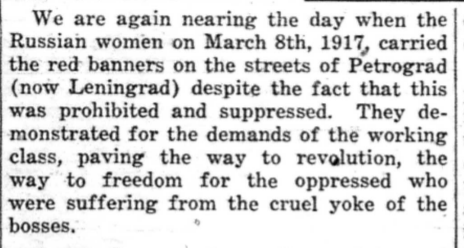
Celebrating International Women’s Day is nothing new for Leftists- the Socialist Party were among the first, but the Communist Party found a way to make it poignant for their ideological struggle. On March 8, 1917, thousands of Russian women marched on Petrograd to demand “Bread and Peace”, an end to the czarist rule, and end to Russia’s involvement in World War I. Seven days later, the Czar stepped down, and many Communists point to this date as the beginning of the Revolution.

During the Great Depression, however, the call became more than a call for a celebration- it was a cry for human dignity. The Working Woman, the “women’s issues” journal of the Communist Party of the United States of America (CPUSA) highlighted the struggles of the 1930s in its call to remember Women’s Day, a call to strike, demonstrate, and protest in recognition of all women.
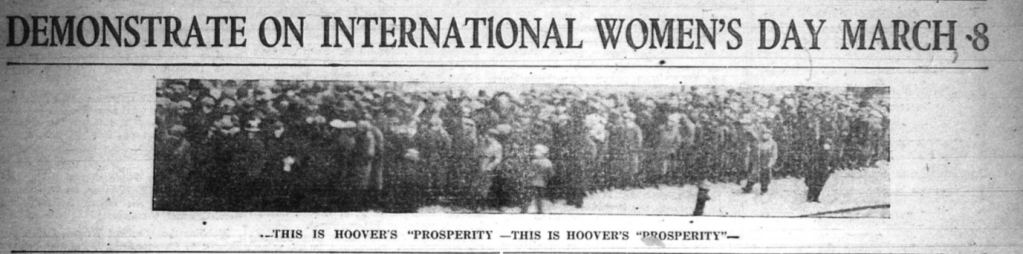
The leading imagine is telling enough: women and children line up in some sort of charity line, presumably for food or other necessities with the tagline “This is Hoover’s Prosperity”. The article that accompanies it continues to highlight the plight of women in 1930:
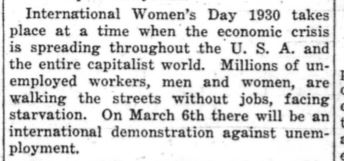
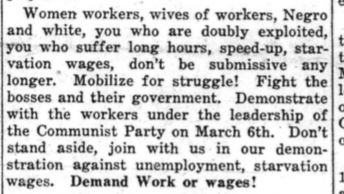
The celebration of International Women’s Day in March 1930 looks very differently from today’s celebrations: no one off social media posts, no politicians giving short speeches, no articles highlighting remarkable women. Instead, International Women’s Day was a day for awareness and mobilization. The day also related to another holiday, March 6, International Unemployment Day. Working Woman encouraged women to participate in both, seeing the struggle between class and gender as intimately linked. Or, as the article puts it, working women were “doubly exploited”.

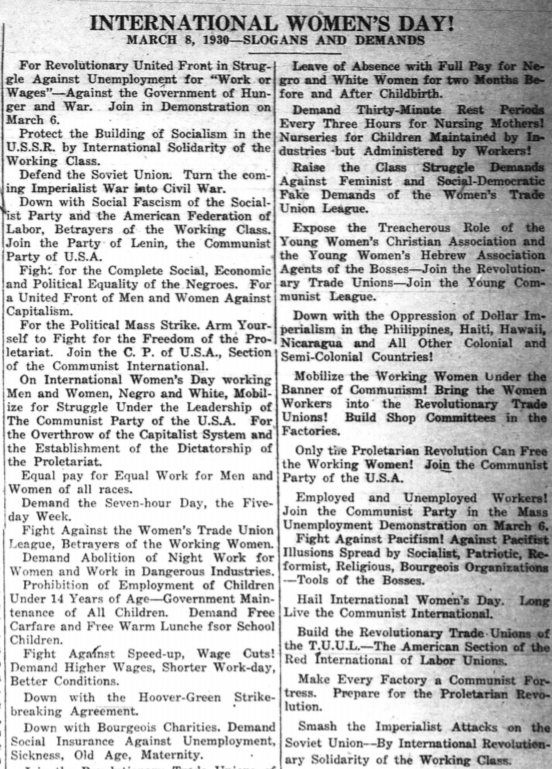
And lastly, if you were wondering what to write on your sign while protesting, Working Woman has some suggestions! My favorite is “Leave of Absence with Full Pay for Negro and White Women for two Months Before and After Childbirth.” Some, as you can tell, continue to be cries of protest today.
Happy International Women’s Day. And Unemployment Day. To be continued on May 1, International Workers’ Day…

Thank you to Marxists.org for the digitization of Working Woman! Your labor does not go unnoticed.
The Negro World

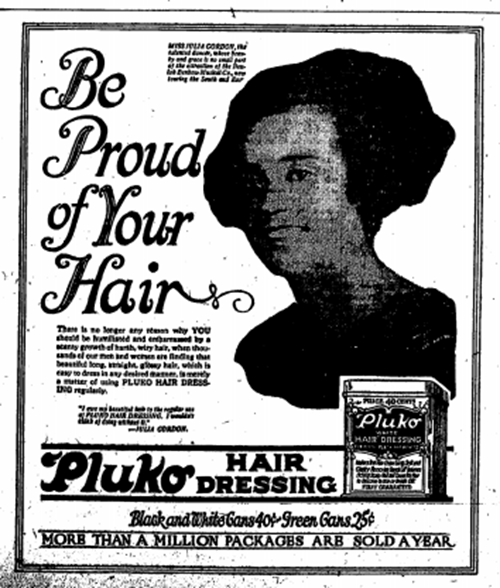
Last spring, I was working on a presentation for the African American Intellectual Society annual conference on the Universal Negro Improvement Association in St. Louis, MO. The research took me quite deeply into the UNIA’s official organ, The Negro World. I am so grateful Schomburg Center, part of the New York Public Library system, has digitized much of the newspapers: https://blacknewyorkers-nypl.org/negro-world/. I thought I’d share a few of my finds, focusing on Black beauty.

My students are always surprised that studying the history of hair can be so revealing, especially concerning women and men of color. But Garvey famously said, “Don’t remove the kinks from your hair! Remove them from your brain!” Standard representations of hair and beauty have always centered on what I look like- blonde hair, blue eyes, and white. But Garvey and other UNIA activists pushed to reject those white supremist notions. We will see that idea flourish in the 60s and 70s with the slogan “Black is Beautiful!” “Hair politics” is still an important issues (for example, a Black Texas teen was banned from graduation after he refused to cut his dreadlocks).

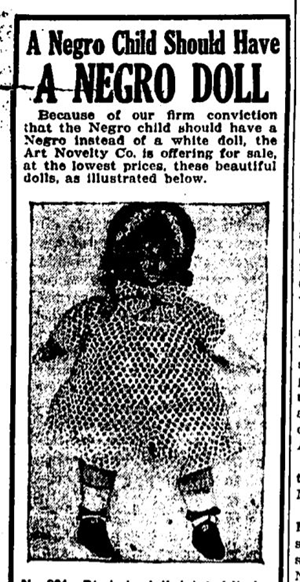
I especially love this advertisement saying “A Negro Child Should have a Negro Doll.” This sentiment echoed throughout the 20th century, and we see marginalized communities continue to push for representation in children’s toys, TV commercials, comic books, movies, and other places Garvey would never have imagined. The motto today is “representation matters,” and activists are certainly still pushing for representation of all marginalized people in something as seemingly innocuous as child’s toys. But, toys matter.

Whenever I’m at Target, I take a stroll through the aisles of Barbie dolls. I like to see how Mattel is changing up their latest productions. It’s encouraging, for sure, to see natural Black hair on dolls, “curvy” dolls, dolls in wheelchairs (with accessible ramp), and dolls with vitiligo. But the issue is, the white, skinny, blonde dolls are always the ones out of stock due to popularity. The challenges of erasing whiteness as the standard of beauty are going to take more than Barbie dolls.

“White Terror” & the International Labor Defense

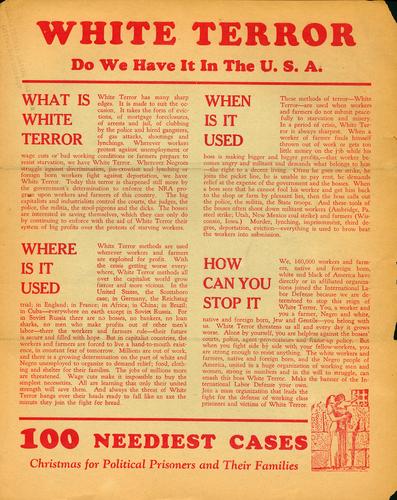
In light of yesterday’s attempted insurrection and display of white terror, this poster (from Communist Collection of A.E. Forbes‘ collection at
University of Pittsburgh
) sparked my attention. The International Labor Defense published this pamphlet on how to recognize white terror, ca. 1930s. Notice, white terror is classified as working class abused and exploitation, particularly against workers of color. Full pamphlet: https://historicpittsburgh.org/islandora/object/pitt%3A2000.07.065/viewer#page/1/mode/2up

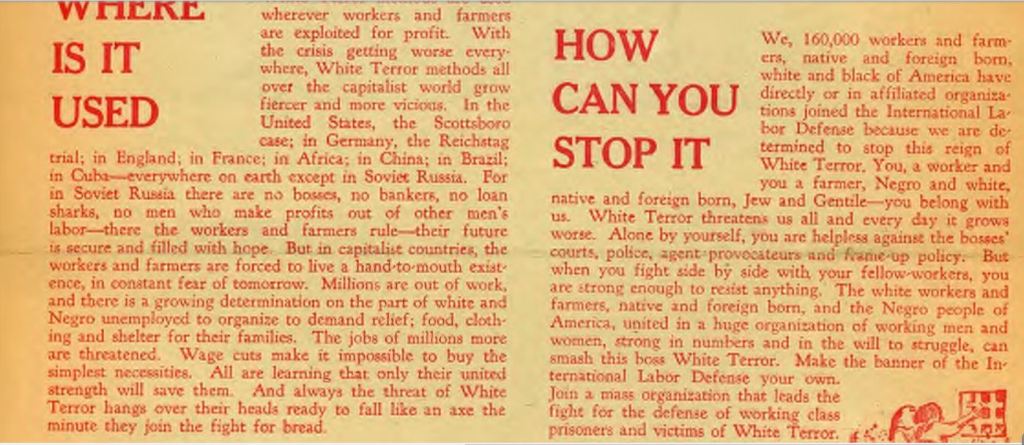
“Wherever Negroes struggle against discrimination, jim-crowism, and lynching or foreign born workers fight against deportation, we have White Terror.”

“Make the banner of the International Labor Defense your own. Join a mass organization that leads the fight for the defense of the working class prisoners and victims of White Terror.”

Thyra Edwards

Thyra Edwards

Born December 25, 1897

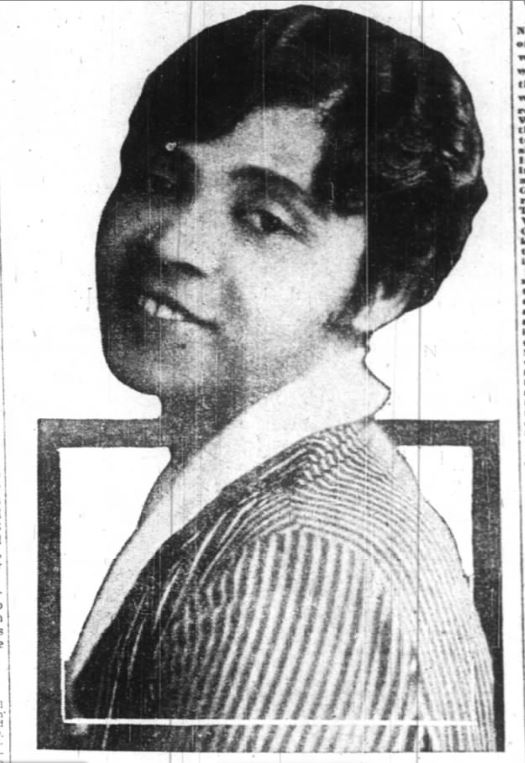
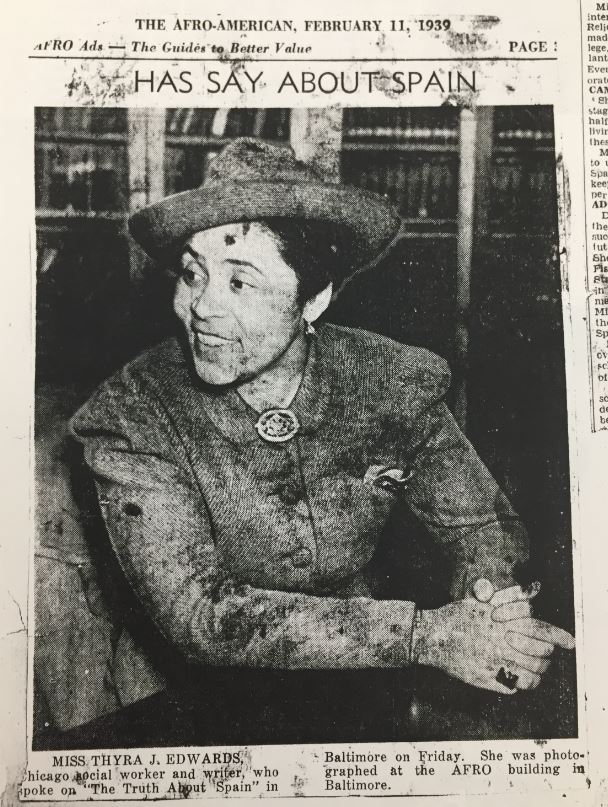
Happy Birthday, Thyra! Edwards would be 123 today(!), so I am happy to take this opportunity to share a bit more about her.

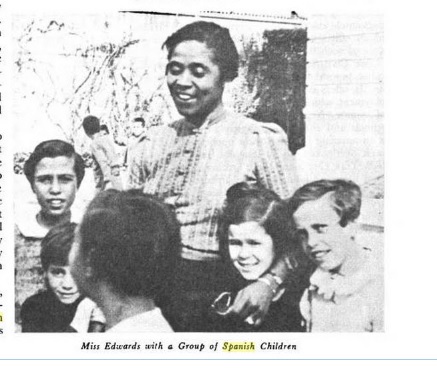
I am currently writing an article about her time in Chicago in the 1930s, and how, through labor organizing and alliances with American Communists, she developed a unique sense of Black Radicalism (on that she took with her on her amazing international journeys!). To share a little bit about her, she is often described as a social worker, but that only skims the surface of her work. In her lifetime (1897-1953), Edwards:

  • Play ground director, Gary, Indiana Public Schools (1919)
  • Founder, Lake County Children’s Home (1927)
  • Supervising Caseworker, Illinois Emergency Relief Commission (1931-1933)
  • Student, Brookwood Labor College (1933) under A.J. Muste
  • Student, International People’s College (1933-24) Denmark
  • Member, Scottsboro Action Committee (1933)
  • Labor Organizer, International Ladies’ Garment Workers’ Union (1935)
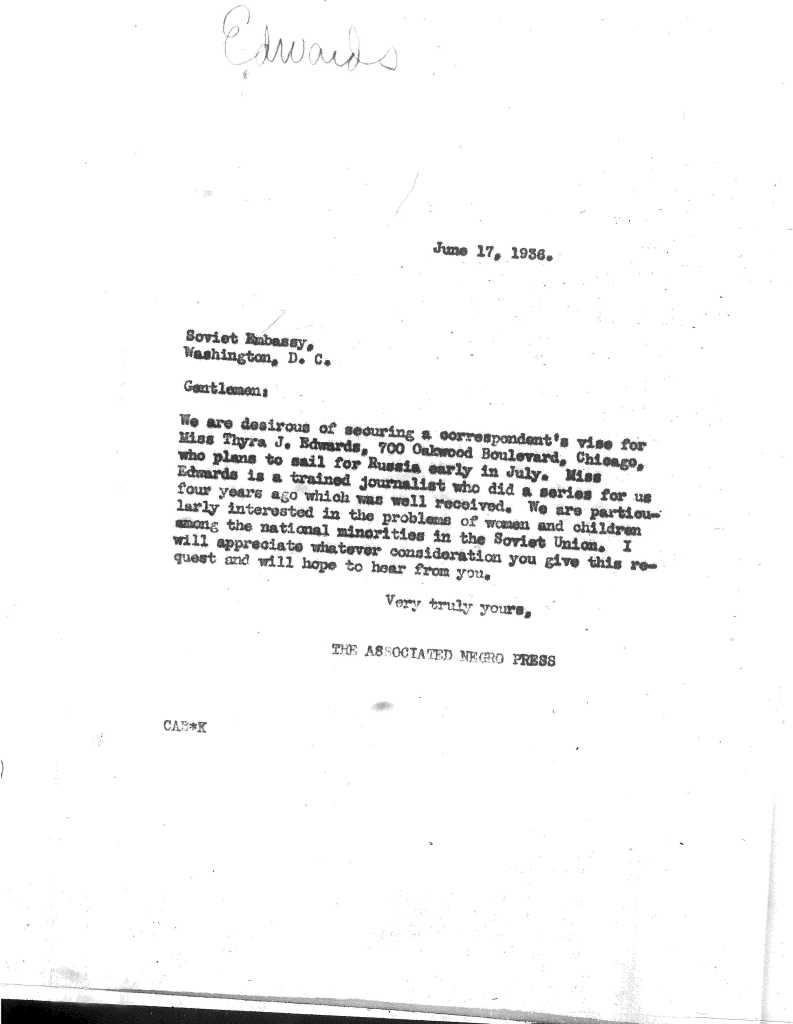
  • Member, Department of Labor, under Division of Negro Labor (1936)
  • Member, National Negro Congress (1936)
  • International traveler to Spain, Denmark, Mexico, USSR, and more
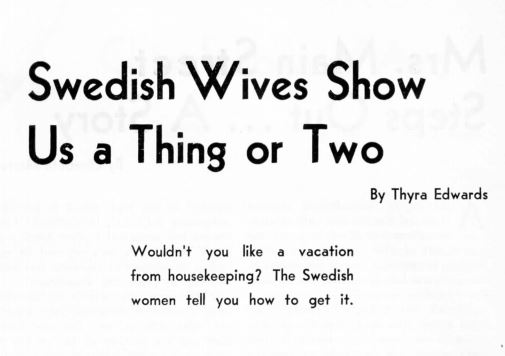
  • Journalist for The Associate Negro Press, Opportunity, the Working Woman, and more

For more, see the entry at Black Past and I highly recommend the biography by Gregg Andrews or . Below is a gallery of a few of my research finds. Feel free to contact me for further archival information.

December 20, 2020

Woman Today (formerly The Working Woman) celebrates Christmas in many languages in their December 1936 cover (PDF). The CPUSA Publication underwent many transformations in its tenure, ultimately folding in 1938. At the time, though, it was a great publication for working class women of all ages to publish letters to the editor, articles, fiction, and reviews.

Check out Marxists.org for full issues!