I’ve recently started to trend away from assigning traditional essays, influence partially by the rise of AI issues, but also because I’ve always been curious about different ways in which historical research can be presented. During my last semester in college, an English professor offered me this chance, and I wrote my most memorable assignment: a one-act play on the Federal Theater. I still remember the challenges (and fun!) I had in that assignment. So thank you, Prof. Rosenwald!
For history, an un-essay requires all the work of a traditional research paper: primary source, rigorous analysis, interpretation of secondary sources, an argument, and clear organization. In short, the students do all the work of a regular research essay, but never write it. Instead, they demonstrate their mastery of a certain topic in a creative way. In the past, I’ve had podcasts, teaching plans, a film noire style video on the dangers of bootlegging (for a 1920s class!), documentary about women in horror movies, collages, zines, and more.
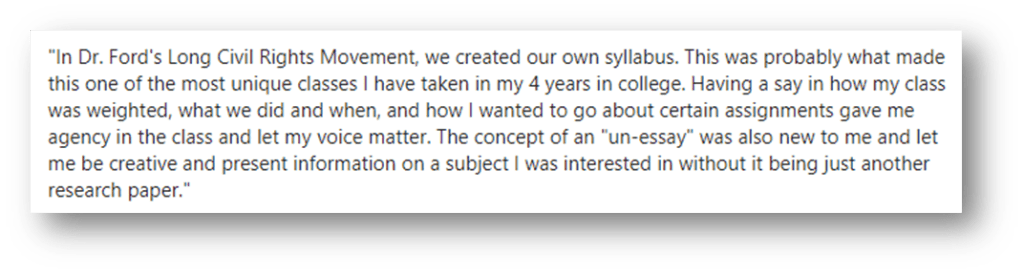
Students respond initially pretty timidly- a “world is your oyster” approach can be intimidating for undergraduates. However, with examples and encouragement, they have responded overwhelmingly positively. Here’s some feedback I received for my HIST 326: The Long Civil Rights Movement class:
Here are a few highlights of un-essays I’ve received in the past few years (presented with permission):
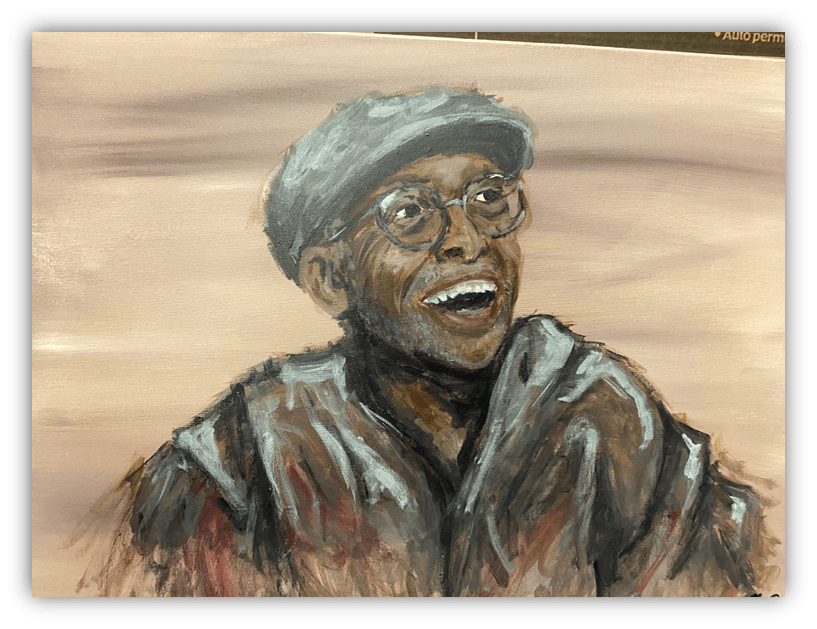


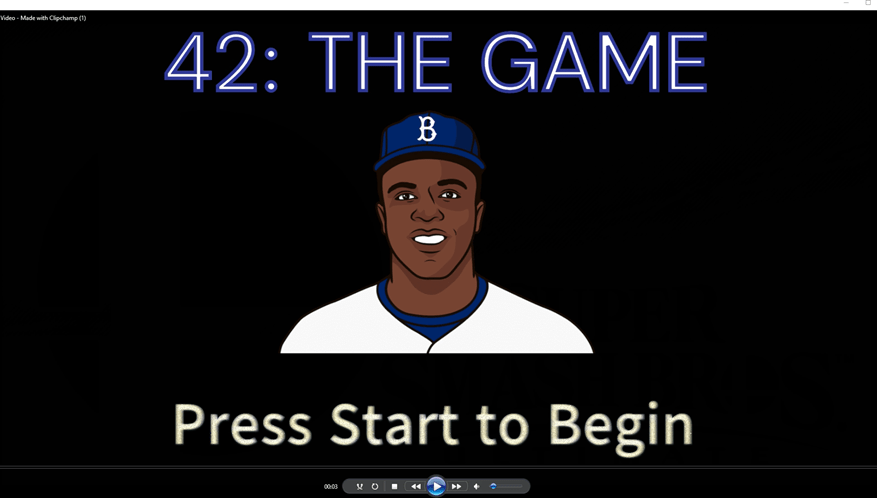


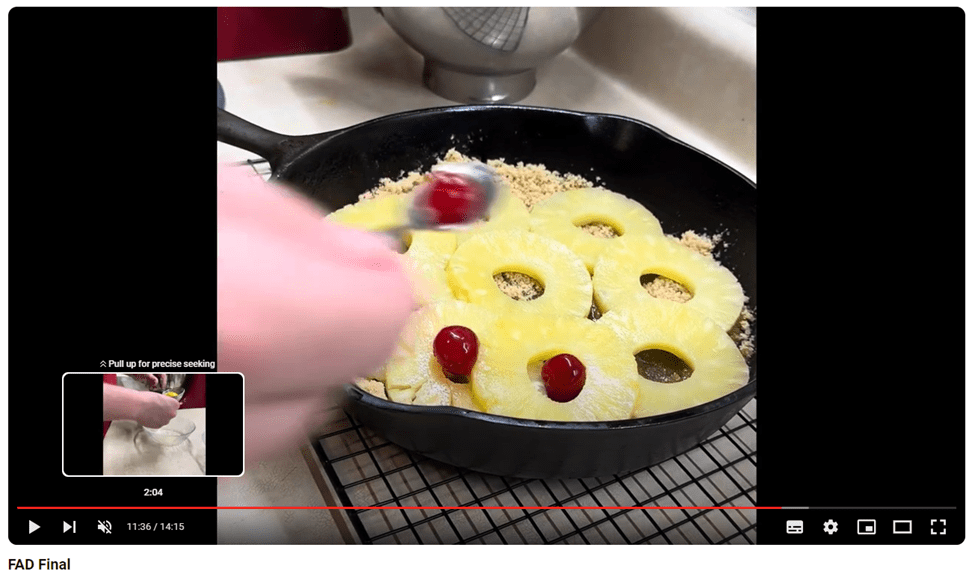
In short- I love un-essays. I am consistently impressed by my students’ creativity and talent. While there have been some “duds,” I find students who choose the option of un-essays are highly motivated and have a clear vision. The most important thing is to have clear expectations and markers for students to hit (such as analyzing one primary source, having an argument, citing sources). After that, it’s up to them!
 Melissa Ford, Phd